City guides
City guides (435)
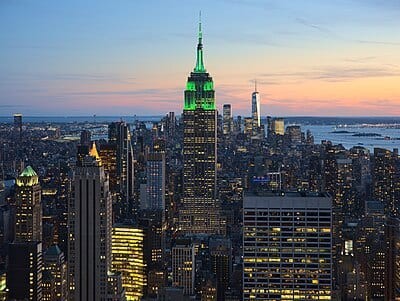

New York City Guide
United States
New York City is the world's premier property market, anchoring global finance, media, tech, and culture across five distinct boroughs. From ultra-luxury Manhattan condos to rapidly appreciating Brooklyn brownstones and Queens waterfront towers, NYC offers unmatched depth and diversity for real estate investors. With a population of 8.3 million, sub-2% rental vacancy, and over 65 million tourists annually, the city generates relentless demand for both residential and short-term rental properties. No state matches New York's combination of global capital flows, institutional-grade assets, and neighborhood-level upside.
Orlando City Guide
United States
Orlando, the heart of Central Florida, is one of the United States' most resilient sunbelt investment markets, combining a globally dominant tourism economy with some of the fastest population growth in the country. The Orlando-Kissimmee-Sanford metro reached nearly 3 million residents in mid-2025, adding roughly 725 new residents a week, a 1.3% annual gain that outpaced both Florida and most large US metros. The economy rests on theme-park tourism (Walt Disney World, Universal and its new Epic Universe park), a growing tech and aerospace Medical City cluster at Lake Nona, and the University of Central Florida. The 2026 housing market has cooled to a more balanced footing: the metro median sale price sits around USD 378,000-410,000 with prices roughly flat to modestly down year-on-year, giving buyers more negotiating room. Gross rental yields range from about 5.3% in affluent Windermere to 7.7% in Horizon West, with affordable areas such as Rosemont and Poinciana reaching 8-10% gross, though net cap rates after taxes, insurance and management typically land between 2.5% and 5%. As a US-dollar market it offers legal and currency stability for international buyers. Investors should weigh real risks: a soft, supply-rebalancing market with prices flat-to-down and rents easing about 2% in early 2026, sharply higher Florida property-insurance costs, and the saturation and regulation of short-term vacation rentals in the tourist-corridor submarkets.
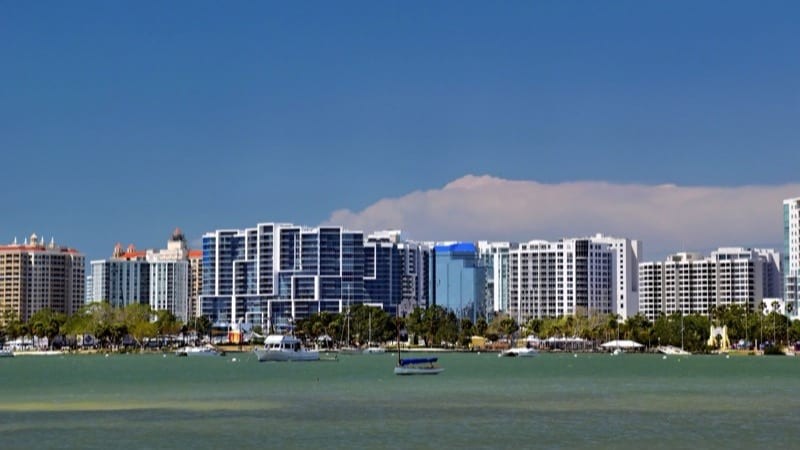
Sarasota City Guide
United States
Gulf Coast elegance meets barrier island paradise on Florida's cultural coast. From the arts-rich bayfront downtown to the world-famous quartz sand beaches of Siesta Key, Sarasota offers a refined coastal lifestyle — with luxury island enclaves, championship golf communities, and family-friendly master-planned neighborhoods catering to every buyer. The city has long been known as Florida's cultural capital, home to the Ringling Museum, the Sarasota Opera, and a thriving performing arts scene. Combined with no state income tax, year-round sunshine, and a growing healthcare and education sector, Sarasota attracts both retirees seeking waterfront luxury and young families drawn to its exceptional quality of life.
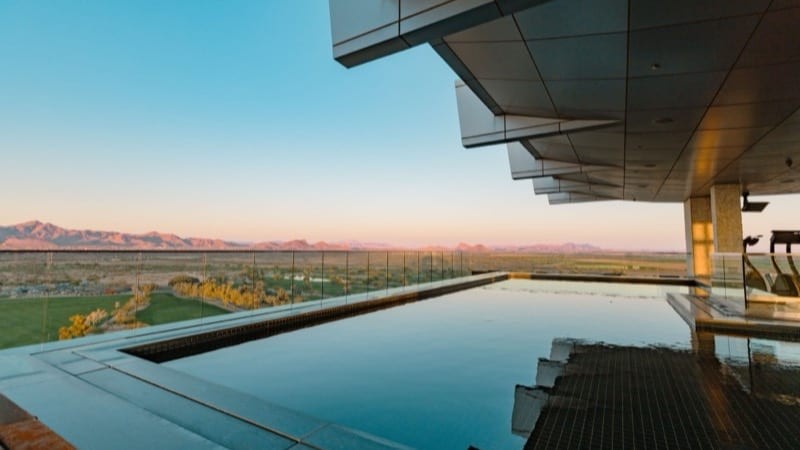
Scottsdale City Guide
United States
Desert luxury meets outdoor living in one of America's most desirable cities. From the walkable arts and dining scene of Old Town to the sprawling estate communities backed by the McDowell Mountains, Scottsdale offers a lifestyle for every buyer — golf enthusiasts, families, young professionals, and retirees alike. The city's world-class resorts, championship golf courses, and thriving culinary scene attract both permanent residents and seasonal visitors, creating a robust market for both primary residences and vacation rental investments. With over 300 days of sunshine, a booming tech sector, and proximity to Phoenix's growing economy, Scottsdale continues to be one of the Southwest's premier real estate destinations.
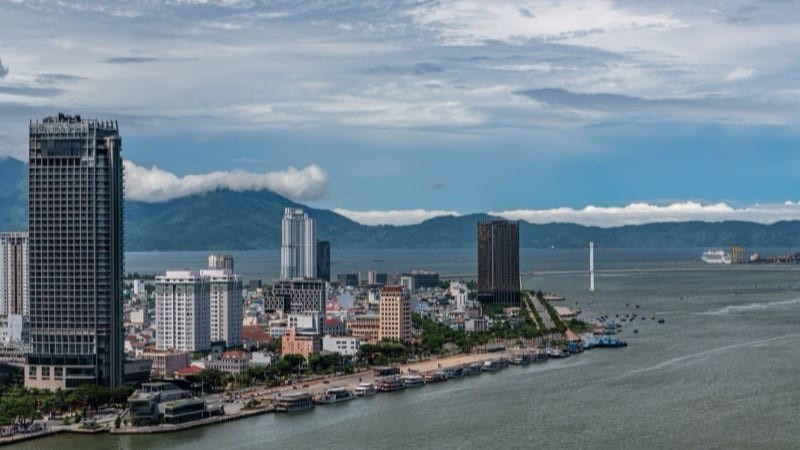
Da Nang City Guide
Vietnam
Vietnam's most livable city stretches along the central coast between the East Sea and the Truong Son mountains. From the world-famous My Khe Beach to the sacred Marble Mountains and the ancient allure of nearby Hoi An, Da Nang offers a rare combination of beach lifestyle, modern infrastructure, and explosive investment growth — all at a fraction of Southeast Asian resort city prices. Da Nang has been transformed by massive government investment in infrastructure, including an international airport with direct flights to regional hubs, modern highways, and iconic bridges spanning the Han River. The city has been recognized by multiple international publications as Vietnam's most livable city, with clean streets, low crime, and a quality of life that attracts both Vietnamese domestic investors and international buyers. The proximity to the UNESCO World Heritage-listed ancient town of Hoi An adds cultural depth and tourism appeal.
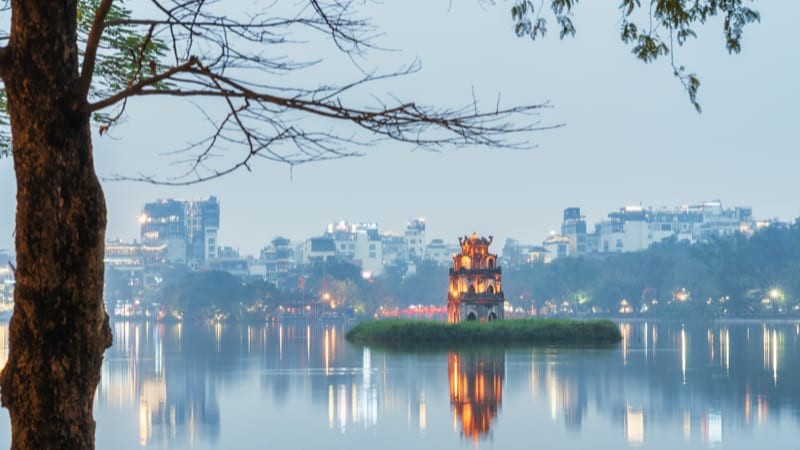
Hanoi City Guide
Vietnam
Vietnam's thousand-year-old capital seamlessly layers ancient temples, French colonial boulevards, and modern high-rises across the banks of the Red River. From the legendary Old Quarter's 36 streets to the cosmopolitan West Lake expat enclave, Hanoi offers one of Southeast Asia's most compelling property markets — combining rapid economic growth, affordable entry prices, and a cultural depth that rivals any Asian capital. Hanoi is the political capital and cultural heart of Vietnam, home to government institutions, foreign embassies, and a growing number of international organizations and corporations. The city's remarkable cultural heritage — from the Temple of Literature to the French Quarter's grand boulevards — creates a sophisticated urban environment that appeals to diplomats, executives, and cultural travelers. The West Lake (Tay Ho) district has emerged as Hanoi's premier expatriate neighborhood, with lakeside villas, international restaurants, and a lifestyle that blends Vietnamese charm with international convenience.
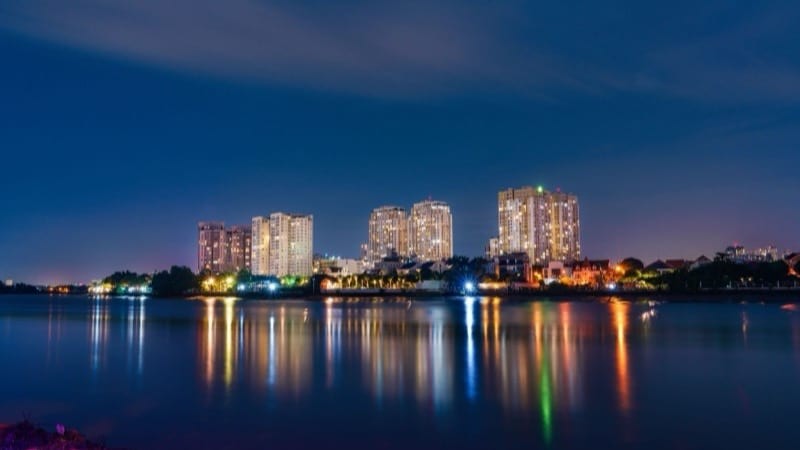
Ho Chi Minh City City Guide
Vietnam
Vietnam's economic powerhouse and largest city, Ho Chi Minh City is a sprawling metropolis of 10 million people where French colonial heritage meets relentless modernization. From the buzzing streets of District 1 to the planned perfection of Phu My Hung and the futuristic ambitions of Thu Thiem, HCMC offers one of Southeast Asia's most dynamic property markets with GDP growth consistently above 6% and a young, urbanizing population driving demand. Ho Chi Minh City is the commercial heart of one of the world's fastest-growing economies, attracting massive foreign direct investment from Samsung, Intel, Nike, and hundreds of other multinationals establishing manufacturing and services operations. The city's French colonial architecture, vibrant street food culture, and buzzing nightlife create a cosmopolitan atmosphere that appeals to both business travelers and lifestyle expatriates. Vietnam's 2023 Land Law reforms are opening the property market to greater foreign participation, creating new opportunities for international investors.
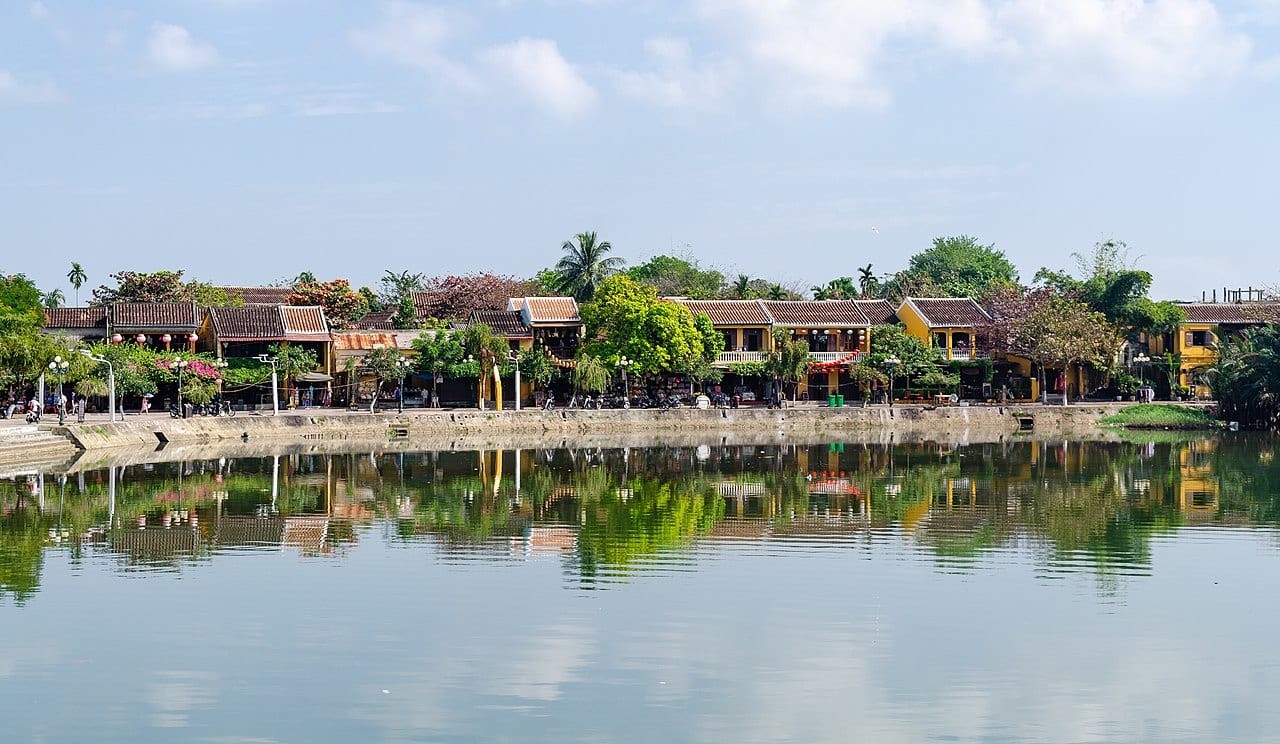
Hoi An City Guide
Vietnam
Hoi An, a UNESCO World Heritage Ancient Town on Vietnam's central coast, is one of the country's most distinctive lifestyle and tourism property markets. With a population of around 120,000 and a setting that blends a perfectly preserved 15th-century trading port, riverside lantern-lit streets and nearby beaches, the town anchors a golden tourist corridor linking it to the My Khe beaches, Ba Na Hills and the major coastal hub of Da Nang just to the north. The investment thesis is tourism cash flow rather than rapid appreciation: serviced apartments, holiday villas and short-term rentals dominate, with gross yields in the Quang Nam and Da Nang region running roughly 4.5-6%, higher than Hanoi or Ho Chi Minh City on paper, though tempered by seasonal tourism vacancy. Median house prices in the broader Quang Nam province sit near VND 4.3 billion (about USD 167,000), with prices per square metre around VND 73 million (USD 2,860). Vietnam's 2024 legal reforms clarified foreign ownership: overseas individuals may now own apartments and houses (but not land), subject to caps of 30% of any apartment building and 350 units per administrative ward, and leasehold-style certificates typically run 50 years. Investors should weigh real risks: foreign-ownership caps and the land-ownership prohibition, heavy dependence on tourism seasonality and arrivals, currency considerations around the dong, and conservation rules that restrict alteration of heritage properties in the protected Ancient Town.
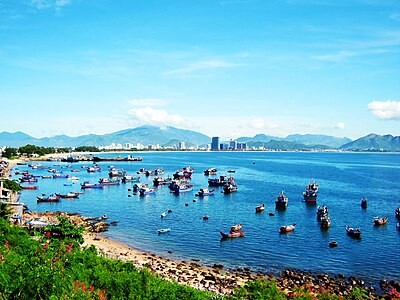
Nha Trang City Guide
Vietnam
Vietnam's premier coastal resort city curves along a stunning 7-kilometer bay on the south-central coast, backed by lush mountains and dotted with offshore islands. Nha Trang has evolved from a sleepy fishing town into a dynamic tourism and property hub that attracts Russian, Chinese, Korean, and domestic Vietnamese buyers. The city offers year-round warm weather, world-class diving, and a beachfront boulevard lined with international hotels and emerging condo developments. Khanh Hoa province's GDP growth of 7-8% annually, combined with major infrastructure projects like the Cam Ranh International Airport expansion and the planned North-South Expressway connection, is driving sustained property demand. The city's 'Sponge City' initiative — Charmora City spanning 227 hectares — signals a new era of planned urban development.
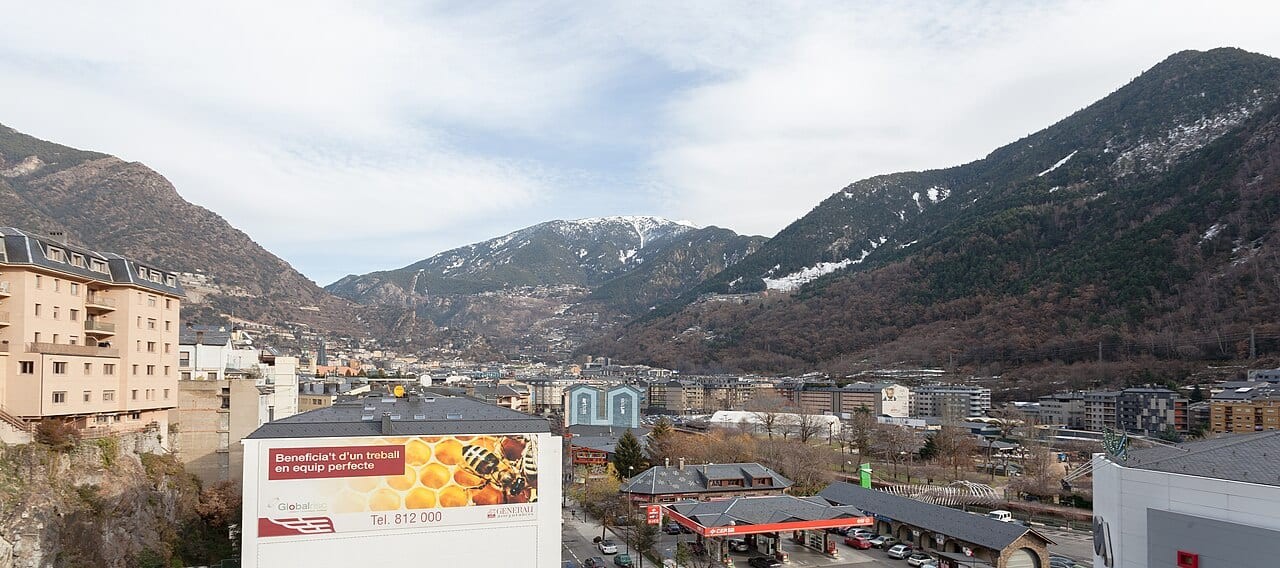

Andorra la Vella City Guide
Andorra
Perched in the eastern Pyrenees between France and Spain, Andorra la Vella is Europe's highest capital and the commercial core of a micro-state that pairs a 10% corporate tax ceiling, no wealth or inheritance tax and a bank secrecy heritage with year-round ski and duty-free shopping tourism. Severely constrained land, the parish is hemmed into a narrow mountain valley, and sustained foreign demand have pushed asking prices to roughly EUR 6,700 per square metre by late 2025, up about 13.6% year-on-year, with the prime Centro district reaching above EUR 7,200 per square metre and cheaper pockets such as La Margineda nearer EUR 4,400. Rental asking prices climbed close to 12.8% over the same period, and gross yields sit around a realistic 5.8%, strongest on one- and two-bedroom apartments. The catch for investors is the residency requirement: non-residents who have not lived legally in Andorra for at least two years generally need government authorisation to buy, steering most international purchasers toward the active and passive residency programmes. For those who qualify, Andorra la Vella offers a scarce, low-tax, lifestyle-led market with durable supply constraints.
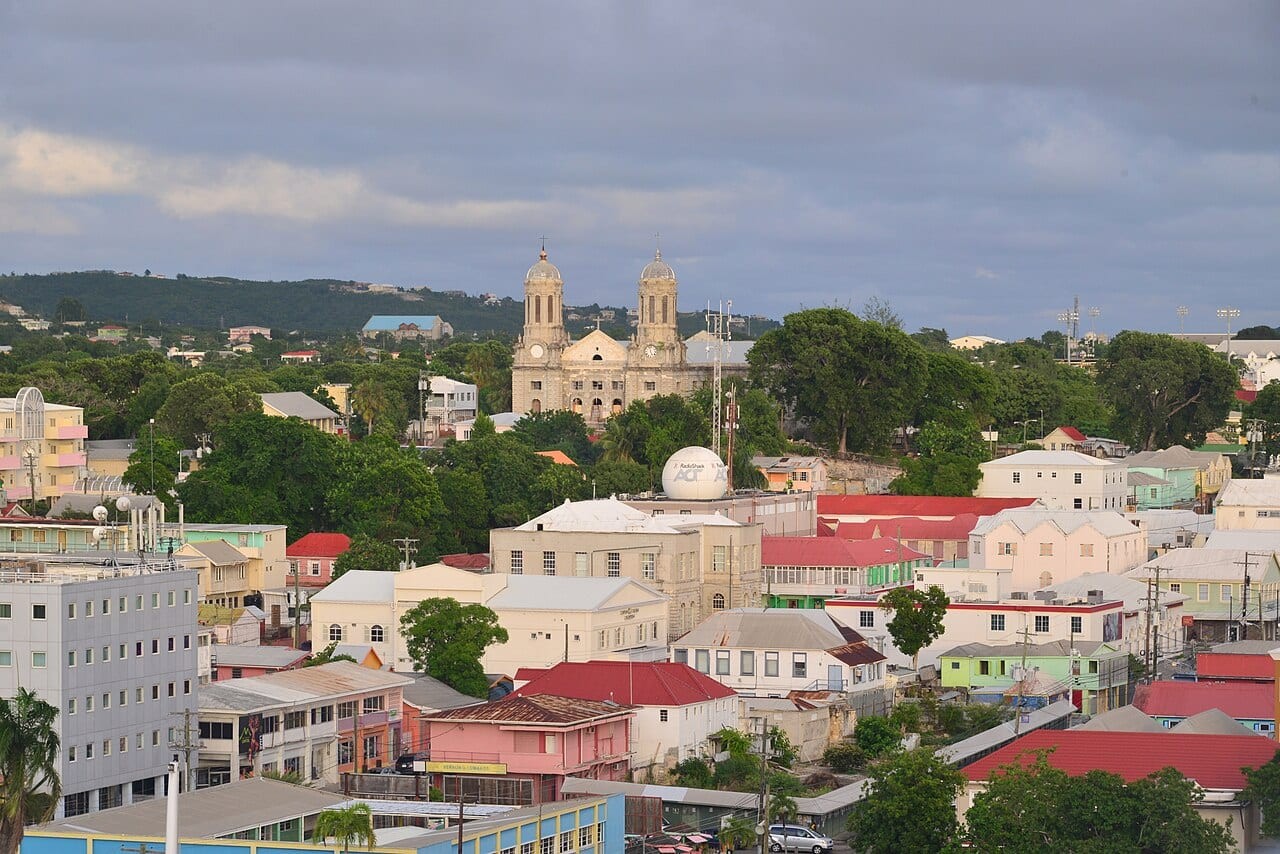

St. John's City Guide
Antigua and Barbuda
St. John's is the capital and commercial heart of Antigua and Barbuda, a twin-island Caribbean nation whose property market is propelled by tourism and one of the region's most established Citizenship-by-Investment (CBI) programmes. The city wraps a deep natural harbour that anchors the cruise and yachting economy, with prime investor demand spread across the historic waterfront, the prestigious Jolly Harbour and Hodges Bay enclaves, and the resort-led English Harbour and Dickenson Bay coastlines nearby. The average price across the islands sits at roughly USD 1,680 per square metre, while approved luxury villas in beachfront projects run from about USD 1.9 million to 2.85 million. Antiguan property values have risen around 5% a year since 2019, and the CBI route, with a USD 300,000 minimum real-estate investment and a five-year resale lock-up, keeps a steady stream of international capital flowing. Annual rental yields are a modest but dependable 2-5%, with luxury short-lets commanding USD 1,000-plus per night in peak season. For investors, St. John's offers a passport, a stable EC-dollar (USD-pegged) currency and a tax-light, lifestyle-driven hold.
Bariloche
Argentina
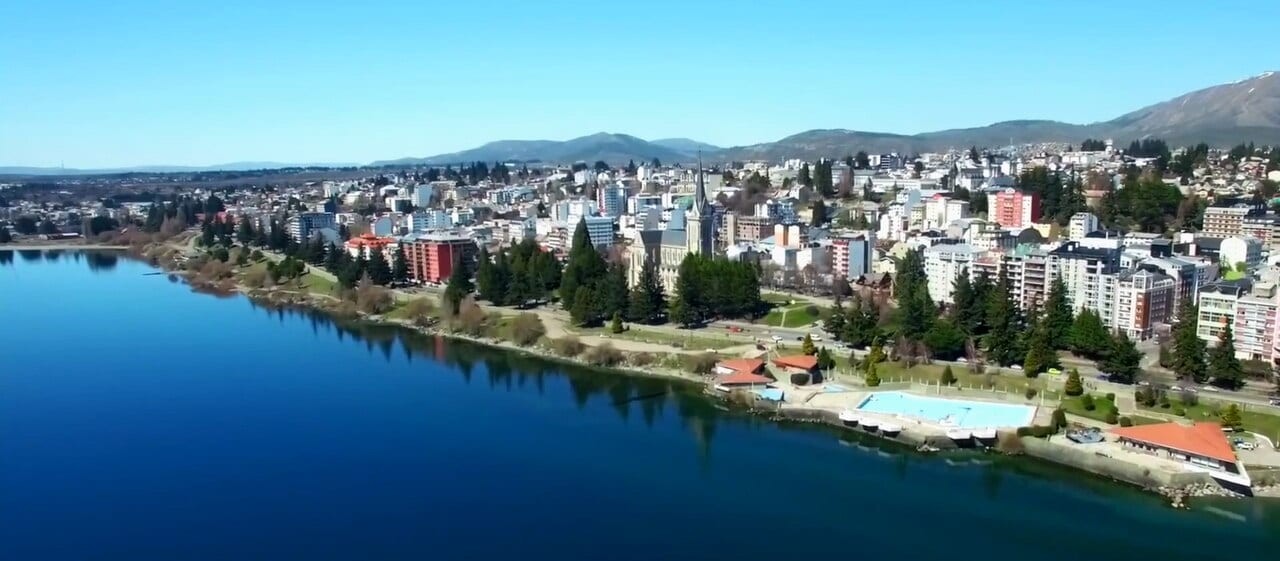
San Carlos de Bariloche is Argentina's premier Patagonian lake-and-ski resort on the southern shore of Lake Nahuel Huapi, and one of the country's most resilient real-estate markets. As of early 2026 the median price sits near US$2,700/m2, with city-centre apartments averaging about US$2,850/m2 and premium lakefront or ski-adjacent product reaching US$3,800/m2, a 40% premium over standard stock. The lakefront premium adds 20-30% and ski-resort proximity (Cerro Catedral) another 20-25%. Citywide USD appreciation runs 2-4% annually, but prime lakefront and ski properties post 4-7% and development lots 8-12%, reflecting genuine structural demand from tourism, second-home buyers and lifestyle migrants. City-centre gross rental yields are roughly 4.6% (price-to-rent ~21.9), with short-term tourist rentals materially higher in peak winter and summer seasons. Foreign buyers enjoy the same urban ownership rights as Argentines and need only a CDI tax identification number; however, because Bariloche lies in Río Negro within Argentina's border security zone, foreigners purchasing land here may require 'previa conformidad' authorization from the Interior Ministry, adding weeks to timelines. A late-2025 airport-capacity expansion should strengthen year-round connectivity, rental income and resale appeal.
Buenos Aires
Argentina
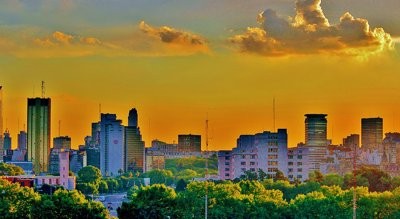
Buenos Aires is Argentina's capital and cultural heart, a European-styled city of grand Belle Époque architecture, celebrated dining and a waterfront business district at Puerto Madero. Its property market is transacted in physical US dollars, which has historically insulated owners from the peso's volatility and made the city a hard-currency store of value. After years of decline, USD prices rose around 5.6% in 2025 and remain roughly 10% below the 2016 level, framing the city as an early-cycle recovery play. The Milei government's rent-control repeal, disinflation and the return of UVA mortgage credit have revived activity sharply, with deeds and mortgage registrations climbing through 2025.
Cafayate
Argentina
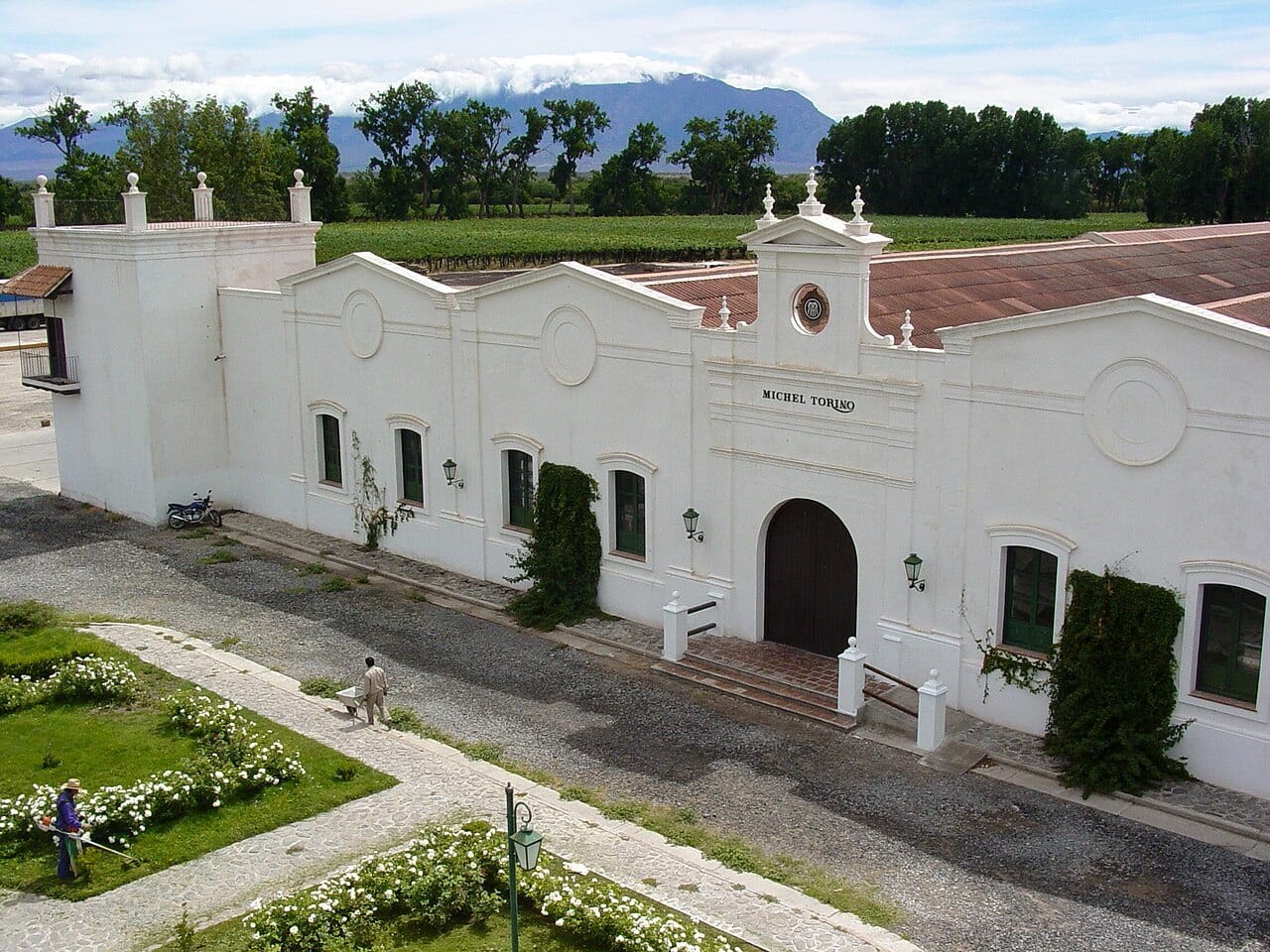
Cafayate is the wine capital of Argentina's northwest, a sun-drenched town at 1,660 m in the Calchaquí Valley of Salta Province, ringed by high-altitude Torrontés and Malbec vineyards and surreal red-rock canyons. With more than 320 days of sunshine a year, it has emerged as a lifestyle and wine-tourism investment destination anchored by exclusive developments like La Estancia de Cafayate, a 550-hectare community combining vineyards, golf, equestrian facilities and a world-class spa. The market is far more affordable than Patagonia: the median sale price is around US$118,000 with a median of roughly US$839/m² (about US$78/sqft), though estate villas and vineyard properties reach US$345,000-US$800,000. Wine-tourism rental programmes, such as managed villa-rental schemes attached to resorts, support gross dollar yields of 6-8%. Importantly for foreign buyers, Cafayate sits well inland, far from any international border-security zone, so the Ley 26.737 frontier restrictions that complicate Patagonian purchases do not apply here; urban and most rural parcels are freely purchasable, though large rural/agricultural holdings remain subject to the law's hectare caps now under constitutional review following Milei's Decree 70/2023.
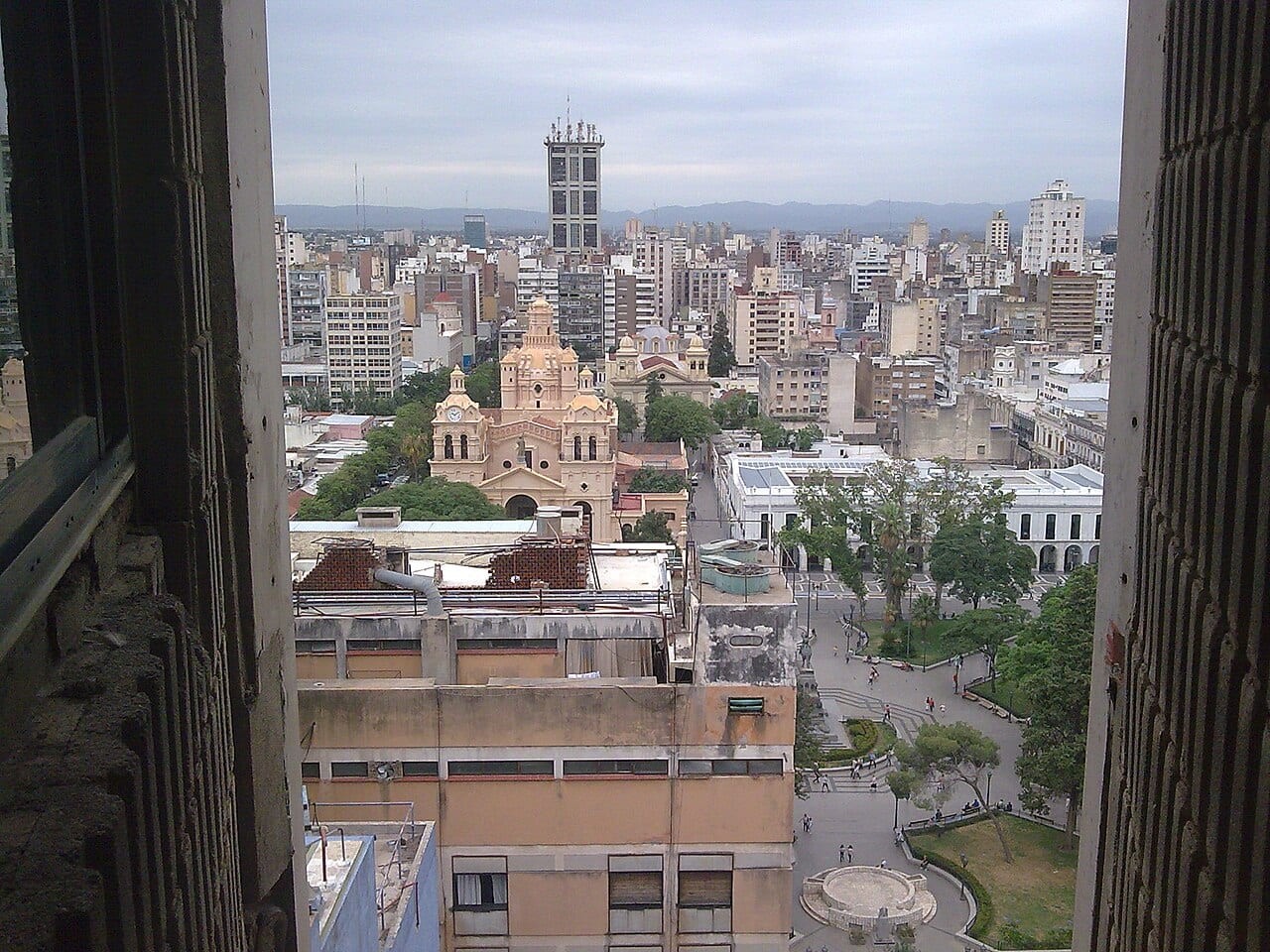
Córdoba City Guide
Argentina
Córdoba is Argentina's second city, the country's university and innovation capital, a Jesuit-founded heartland metropolis of around 1.5 million people whose UNESCO-listed colonial core sits amid a young, energetic student economy and a growing technology and automotive industry. For investors it offers Argentine real estate's hard-currency, US-dollar dynamics at prices well below Buenos Aires, with student-driven rental demand concentrating in barrios like Nueva Córdoba.
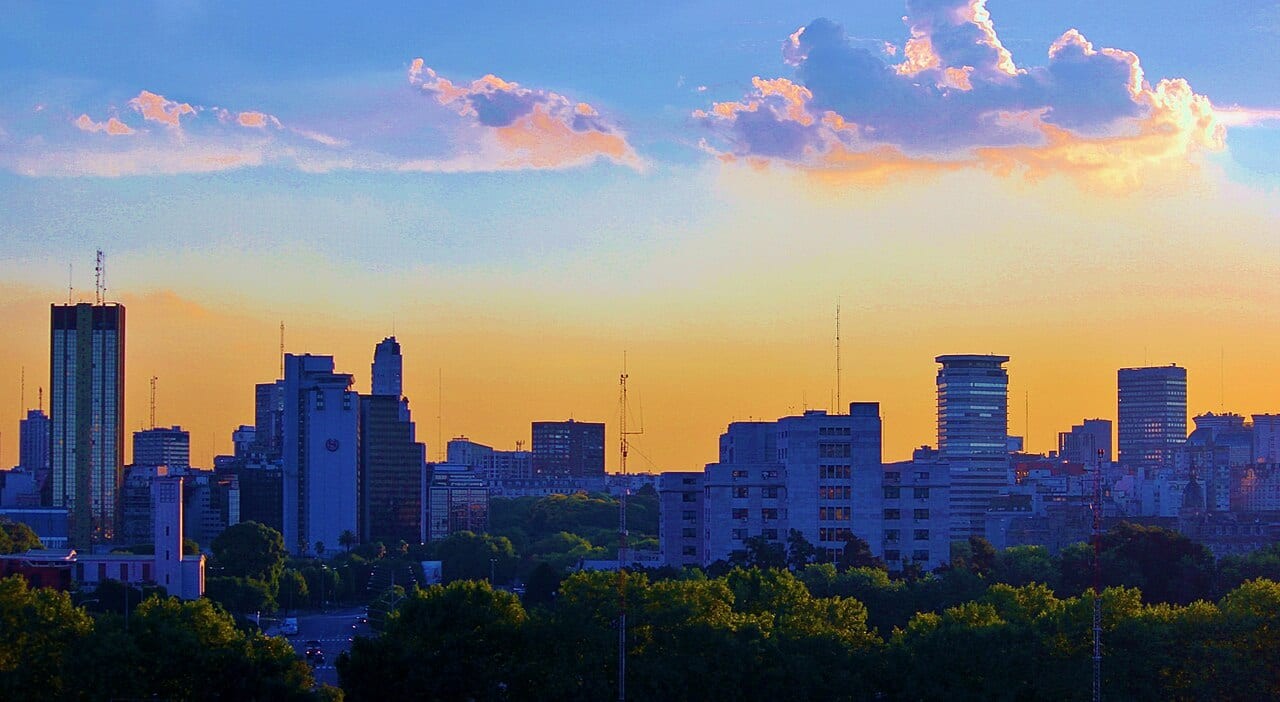
Mar del Plata
Argentina
Mar del Plata is Argentina's flagship Atlantic beach city and the country's largest seasonal-rental market, drawing millions of porteños each summer. As of 2025 apartment prices range from roughly US$1,200 to US$1,800/m2, well below Buenos Aires's ~US$2,300-2,500/m2, with ocean-view and beachfront units commanding the upper end. That affordability, paired with intense summer tourism, makes the city a classic seasonal buy-to-let: long-term gross yields sit near Argentina's ~5% national average, but January-February short-term rentals along the beachfront can lift effective annual returns materially. The market is stabilising as national USD prices rose about 6% over the year to H1 2026 on renewed mortgage availability and rising transaction volumes. Mar del Plata is not within a border security zone, so foreign buyers enjoy full, unrestricted urban ownership rights identical to Argentines, needing only a CDI tax identification number to deed and register a property; coastal apartments carry no fideicomiso-style restriction. Year-round demand from a permanent population near 650,000, a major university and a working fishing port underpin the off-season, while the iconic Rambla, Playa Grande and Los Troncos give the city enduring lifestyle appeal for second-home and rental buyers alike.
Mendoza City Guide
Argentina
Mendoza is Argentina's wine capital and the gateway to the high Andes, a sunny, irrigated oasis city of tree-lined, acequia-fed streets at the foot of Aconcagua, world-famous for Malbec. Its economy blends viticulture, tourism and services, and for investors it offers Argentine real estate's US-dollar dynamics at low prices, strong wine-tourism demand, and a distinctive caveat: foreign ownership of rural/productive (vineyard) land is capped by national law, so wine-estate buyers must structure carefully.
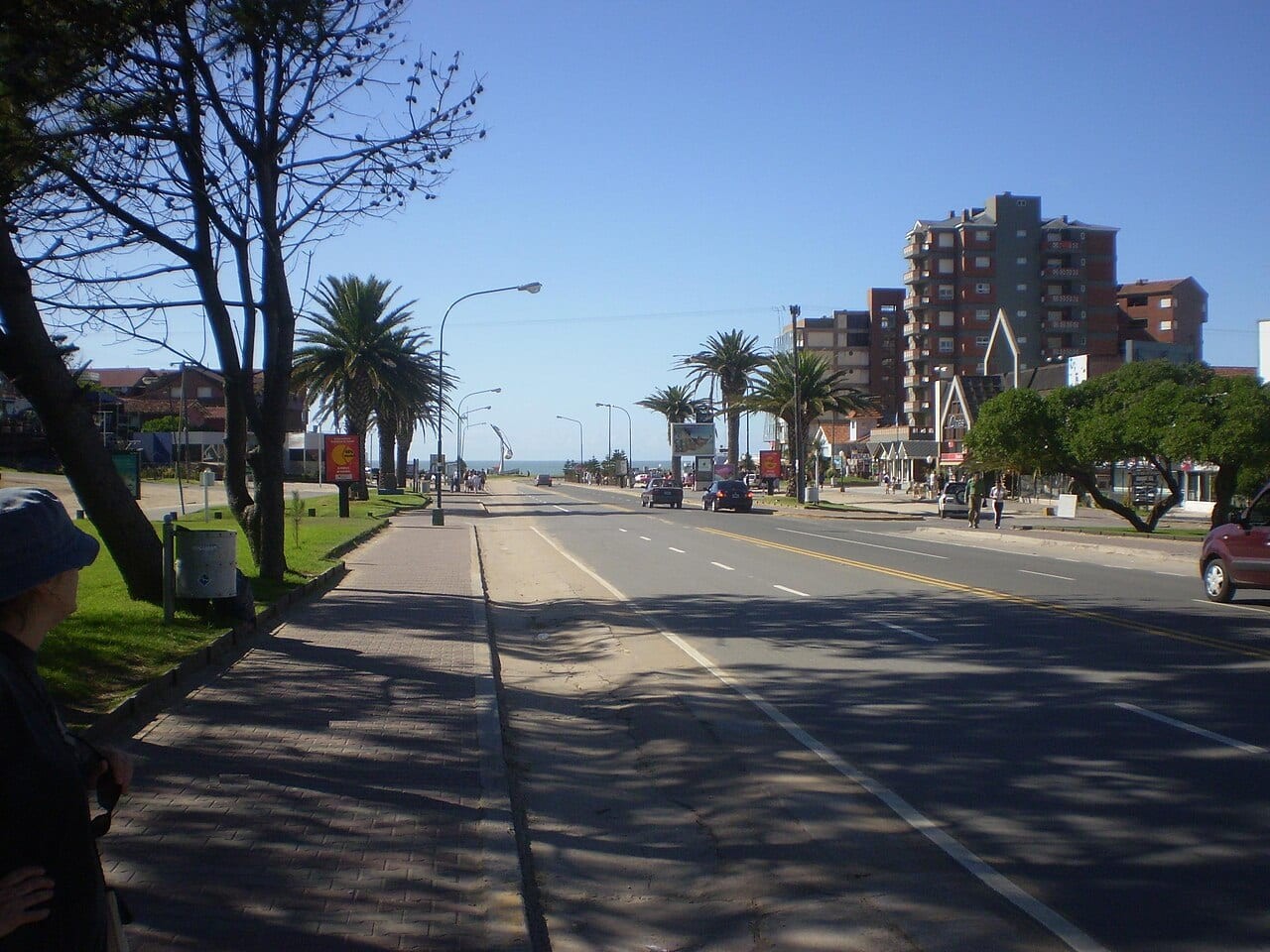
Pinamar
Argentina
Pinamar is Argentina's most upscale Atlantic beach resort, a planned coastal town 360 km south of Buenos Aires built into pine-forested dunes under a strict building code. Together with its sister towns Ostende, Valeria del Mar and Cariló, it forms the Pinamar Partido, a magnet for affluent porteños and the heart of the country's summer second-home market. Prices are dollar-quoted: the median house sells for about US$265,000 at a median of US$1,602/m² (roughly US$149/sqft), with apartments ranging US$1,371-US$2,902/m² and exclusive Cariló estates reaching well beyond. The summer rental economy is intense, with peak-season houses commanding US$5,000-US$6,700+ per fortnight in late December, translating into gross dollar yields of 5-7% concentrated in the high season. As a coastal Atlantic town far from any international land border, Pinamar lies outside the Ley 26.737 frontier-security restrictions that affect Patagonia, so foreign buyers can acquire urban and coastal residential property freely; the rural-land hectare caps under constitutional review apply only to large agricultural parcels, not the forest-lot residential market that defines Pinamar.
Rosario City Guide
Argentina
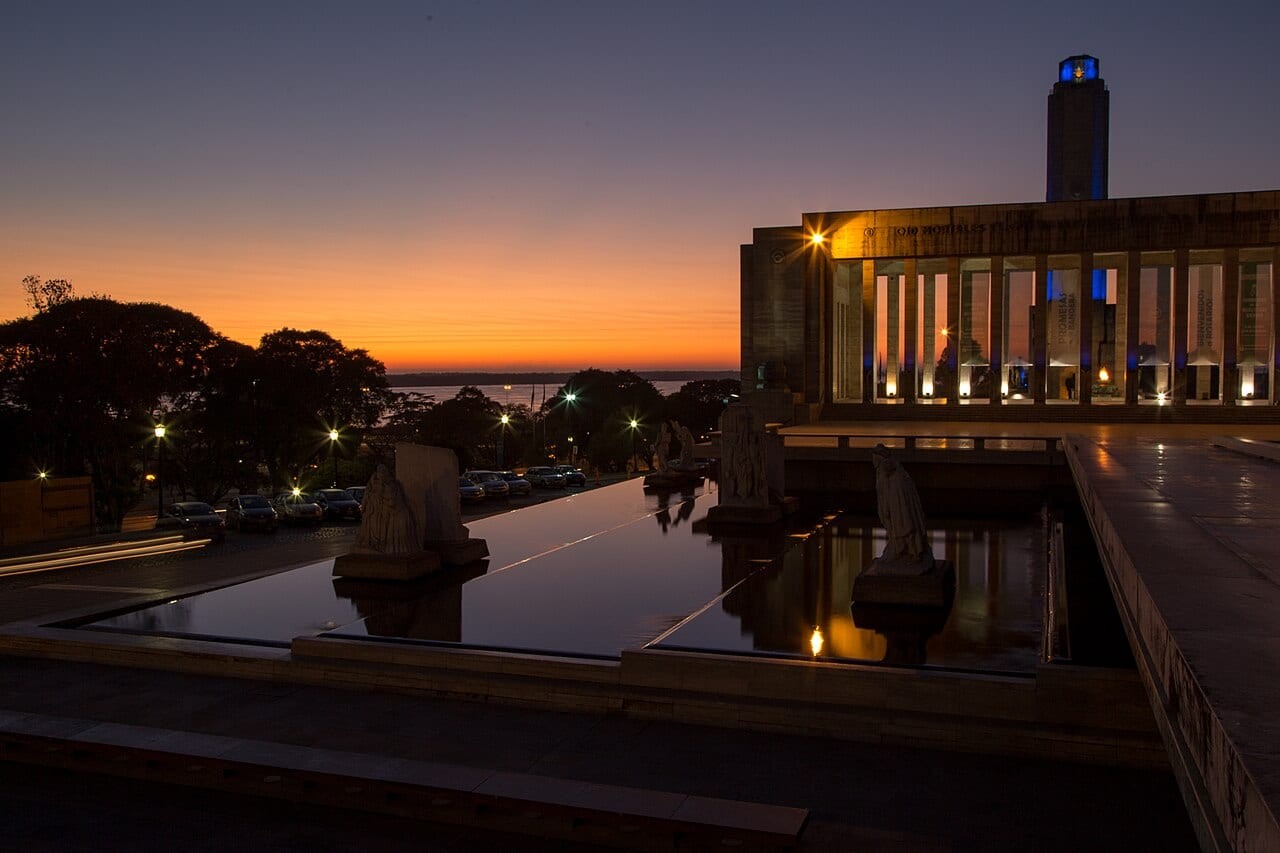
Rosario is the commercial heart of Santa Fe province and the engine of Argentina's grain-export economy, its agro-industrial port complex on the Paraná River handling much of the country's soy and grain. Set on a dramatic riverfront and anchored by the National Flag Memorial (Monumento a la Bandera), it is a deep, liquid 'second city', Argentina's third-largest urban area (~1.6 million metro), at prices a fraction of Buenos Aires. Famous as Lionel Messi's hometown, it pairs genuine agro-backed economic substance with the Milei-era recovery now reaching the provinces. For investors it is a USD-priced, discounted-entry capital-recovery market rather than a high-yield play.
Salta
Argentina
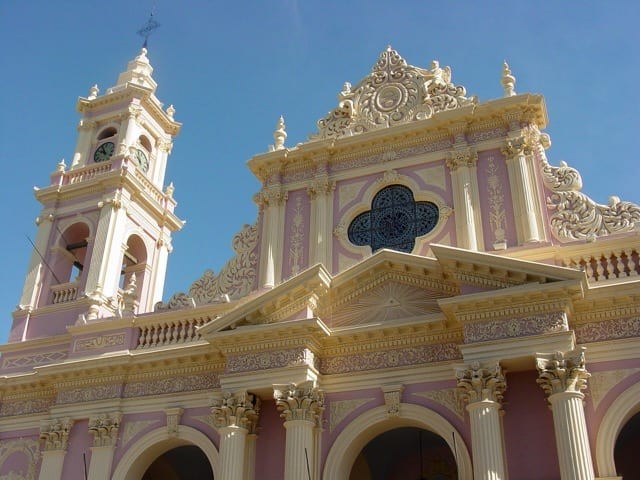
Salta, capital of its namesake northwestern province, is widely regarded as Argentina's best-preserved colonial city, a tourism magnet whose cobblestoned microcentro, painted churches and Andean setting drive year-round visitor demand. Provincial pricing is a fraction of Buenos Aires: quality apartments broadly sit around US$1,100-1,500/m2, with central and well-finished stock toward the top of that band, while Numbeo reports a city-centre price-to-rent ratio near 21.5, implying gross long-let yields around 4.6%. National USD prices rose roughly 6% in the year to H1 2026 on renewed mortgages and rising transactions, and Salta has tracked the broader recovery while remaining an affordability standout. A crucial caveat for foreign buyers: Salta province lies within Argentina's 'Zona de Seguridad de Fronteras,' so non-resident purchases can require prior 'previa conformidad' authorization from the Interior Ministry, adding weeks or months, though urban apartments in the consolidated city are routinely transacted with the standard CDI tax ID and competent local counsel. Strong tourism (colonial heritage, the Tren a las Nubes, wine routes), a large student population and government employment underpin both short-term and long-term rental demand, making Salta an affordable, lifestyle-rich entry into northern Argentina with steady, if modest, appreciation.